In digital advertising, understanding your marketing costs is essential for running profitable campaigns. One of the most important metrics advertisers track is Cost Per Impression (CPI) or Cost Per Mille (CPM). If you have ever wondered what is a good cost per impression, the answer depends on several factors such as industry, audience, platform, and campaign objectives.
This guide explains what cost per impression means, how to evaluate a good rate, and how tools like a Cost Per Impression Calculator can help optimize your advertising budget.
What Is Cost Per Impression?
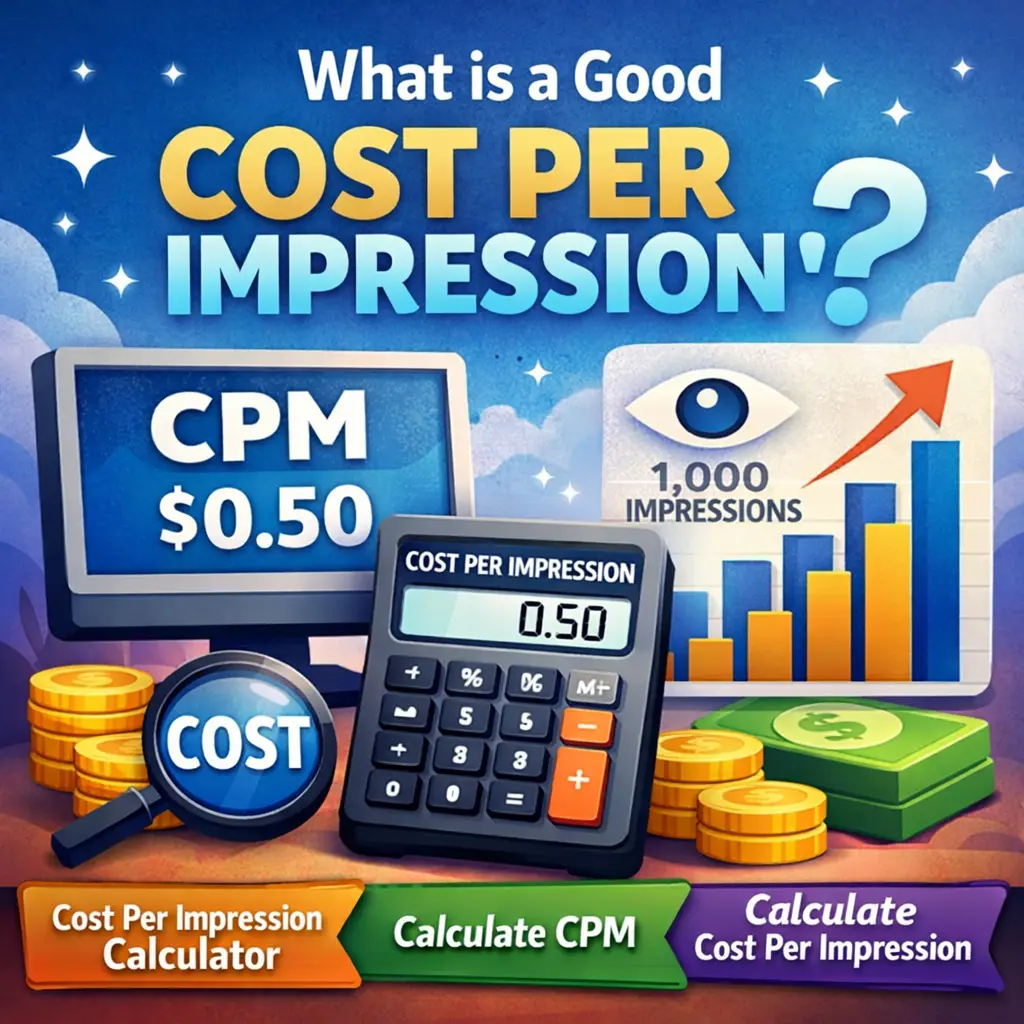
Cost Per Impression (CPI) refers to the amount an advertiser pays for every single ad impression. More commonly, advertisers use CPM (Cost Per Mille), which represents the cost of 1,000 ad impressions.
An impression occurs whenever your advertisement is displayed to a user, regardless of whether they click on it.
This metric is widely used for brand awareness campaigns where visibility is more important than immediate conversions.
What Is a Good Cost Per Impression?
A good cost per impression varies depending on the advertising platform and industry. However, the following ranges are often considered reasonable:
| Platform | Average CPM Range |
| Facebook Ads | $5 – $15 |
| Instagram Ads | $5 – $20 |
| Google Display Network | $2 – $12 |
| LinkedIn Ads | $20 – $60 |
| YouTube Ads | $4 – $15 |
Generally:
- Under $5 CPM is considered very cost-effective.
- $5–$15 CPM is average and acceptable for most campaigns.
- Above $15 CPM may still be worthwhile if targeting a highly valuable audience.
The true measure of a good cost per impression is whether your campaign achieves its marketing goals while staying within budget.
Why Cost Per Impression Matters
Cost per impression helps advertisers:
- Measure brand exposure.
- Compare advertising platforms.
- Allocate budgets more effectively.
- Reach larger audiences at lower costs.
- Track advertising efficiency.
A lower CPM means your ad is being shown to more people for the same budget.
How to Calculate Cost Per Impression
Understanding how to calculate cost per impression is straightforward.
Cost Per Impression Formula
The standard formula is:
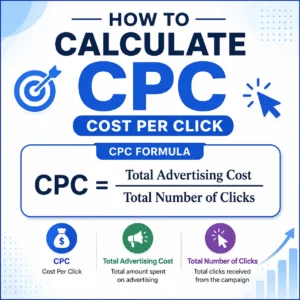
Cost Per Impression = Total Advertising Cost ÷ Total Impressions
For CPM calculations, use:
CPM = (Total Advertising Cost ÷ Total Impressions) × 1,000
Example
Suppose you spend $100 on a campaign that receives 50,000 impressions.
CPM = (100 ÷ 50,000) × 1,000
CPM = $2
In this case, your advertisement costs $2 per 1,000 impressions, which is considered very efficient.
Using a Cost Per Impression Calculator
Manually performing calculations can become time-consuming when managing multiple campaigns. A Cost Per Impression Calculator simplifies the process by instantly calculating CPM based on your advertising spend and impressions.
Benefits include:
- Faster calculations.
- Improved accuracy.
- Easy campaign comparisons.
- Better budget planning.
- Real-time performance evaluation.
Marketers frequently rely on a Cost Per Impression Calculator to determine whether their campaigns are performing efficiently.
Factors That Affect CPM Rates
Several variables influence how much you pay for impressions.
Audience Targeting
Highly specific audiences often increase competition and advertising costs.
Industry Competition
Finance, insurance, and legal industries typically experience higher CPMs due to intense advertiser competition.
Ad Quality
Platforms reward relevant, engaging ads with lower advertising costs.
Geographic Location
Advertising to audiences in countries such as the United States, Canada, and the United Kingdom generally results in higher CPM rates.
Seasonal Demand
Advertising costs often rise during major shopping seasons such as Black Friday and Christmas.
How to Lower Your Cost Per Impression
If your CPM is higher than expected, consider the following strategies:
Improve Ad Relevance
Create engaging visuals and compelling ad copy that resonate with your audience.
Test Multiple Creatives
A/B testing different advertisements helps identify the most cost-effective option.
Refine Audience Segments
Avoid targeting audiences that are too broad or too narrow.
Optimize Ad Placement
Some placements generate significantly lower CPM rates than others.
Monitor Campaign Performance
Regular analysis allows you to identify opportunities for optimization and budget savings.
Calculate CPM for Better Advertising Decisions
Many marketers prefer to calculate CPM regularly because it provides a clear picture of advertising efficiency. Comparing CPM across campaigns helps determine which ads generate the most visibility for the lowest cost.
Tracking CPM over time also helps identify trends and opportunities for future improvements.
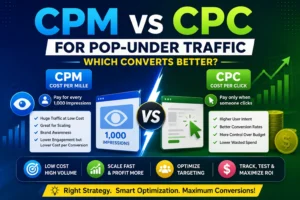
Cost Per Impression vs Cost Per Click
While both metrics measure advertising performance, they serve different purposes.
| Metric | Purpose |
| Cost Per Impression (CPM) | Measures visibility and brand awareness |
| Cost Per Click (CPC) | Measures user engagement through clicks |
If your goal is brand recognition, CPM is often the preferred metric. If your goal is website traffic or conversions, CPC may be more relevant.
Conclusion
Understanding what is a good cost per impression is essential for evaluating the effectiveness of your advertising campaigns. While a good CPM varies by platform, industry, and audience, lower costs generally indicate more efficient brand exposure. Using a Cost Per Impression Calculator can help advertisers accurately track performance, compare campaigns, and make smarter budgeting decisions.
Whether you want to calculate cost per impression for a single campaign or regularly calculate CPM across multiple platforms, monitoring this metric can significantly improve your advertising strategy and maximize your return on investment.
Frequently Asked Questions (FAQs)
1. What is considered a good Cost Per Impression?
A CPM between $5 and $15 is generally considered good for most online advertising platforms, though this varies by industry and audience.
2. How do I calculate cost per impression?
Divide the total advertising cost by the total number of impressions. For CPM, multiply the result by 1,000.
3. Why should I use a Cost Per Impression Calculator?
A Cost Per Impression Calculator provides quick and accurate calculations, helping advertisers evaluate campaign efficiency and manage budgets effectively.
4. Is a lower CPM always better?
Not necessarily. A lower CPM is beneficial only if the impressions reach the right audience and contribute to your marketing goals.
5. What is the difference between CPM and CPC?
CPM measures the cost of ad visibility, while CPC measures the cost of user clicks on an advertisement.
6. How often should I calculate CPM?
It is recommended to calculate CPM regularly throughout your campaign to monitor performance and identify optimization opportunities.