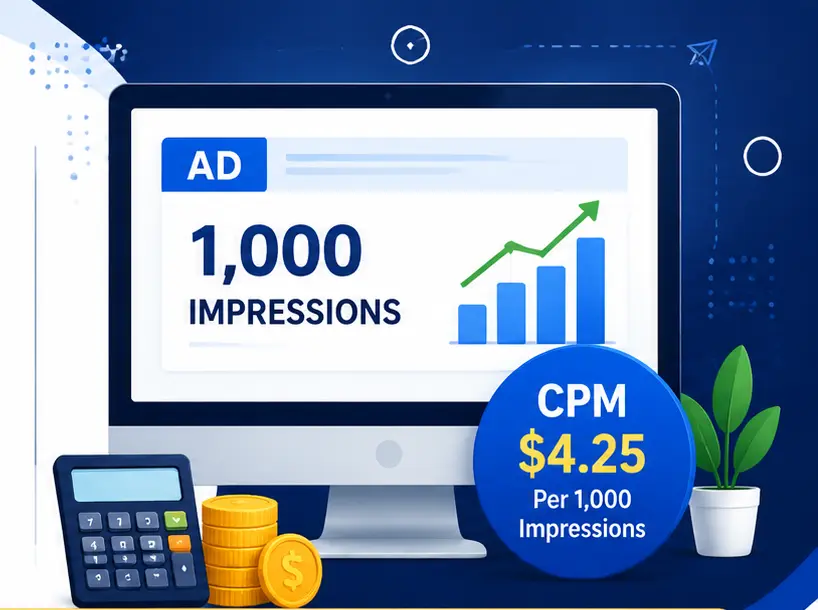
When running online advertisements, understanding costs is just as important as creating attractive ads. One of the most common advertising metrics used by marketers is CPM, a pricing model focused on visibility and audience reach. So, your question will be how to calculate CPM. The accurate answer will be in this article.
Whether you advertise on websites, social media platforms, or display networks, CPM helps you understand with CPM formula how much you are spending to show your ads to potential customers.
If you are new to digital marketing, calculating CPM may sound technical, but it is actually very straightforward. This guide explains CPM in a simple and practical way so anyone can understand and use it.
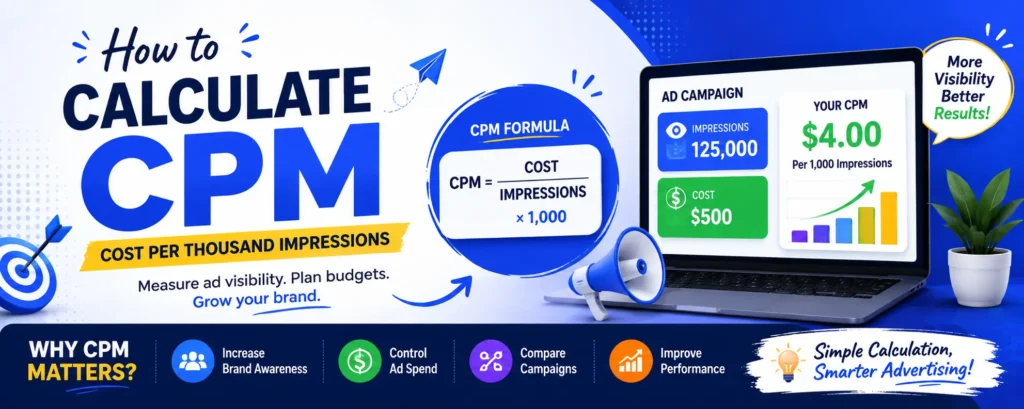
What Is CPM?
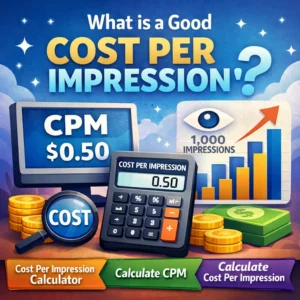
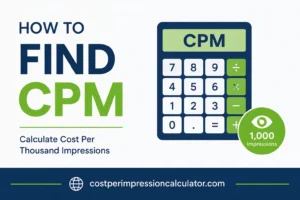
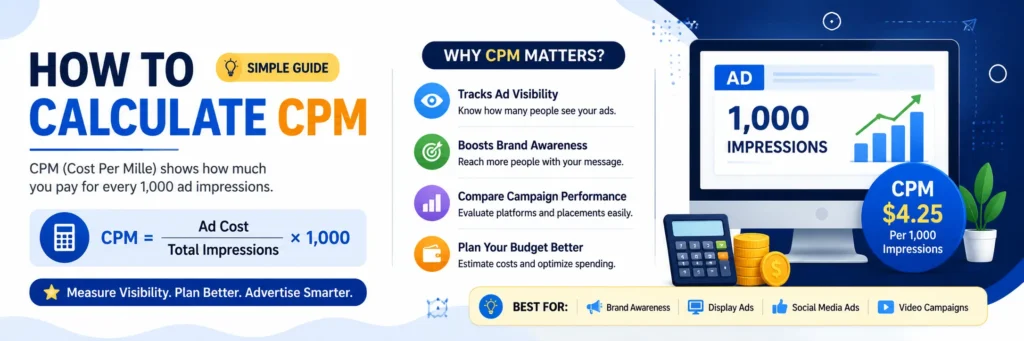
CPM stands for Cost Per Mille, which means cost per thousand impressions.
An impression is counted every time an advertisement appears on a user’s screen. Unlike click-based advertising, CPM focuses on views and exposure rather than user interaction.
Businesses commonly use CPM campaigns when their goal is:
- Building brand awareness
- Reaching larger audiences
- Increasing visibility
- Promoting new products or services
Instead of paying for clicks, advertisers pay for the opportunity to be seen. Go through the entire article to learn how to calculate CPM in a proper way.
Why Understanding CPM Matters
Many businesses spend money on advertising without fully understanding how impressions affect their budget.
Knowing CPM helps advertisers:
- Track advertising efficiency
- Compare campaign performance
- Estimate future marketing budgets
- Make smarter advertising decisions
- Improve overall campaign planning
Even if conversions are your final goal, understanding CPM helps you judge whether your campaign is reaching enough people.
How to Calculate CPM in a proper way
CPM is calculated by comparing advertising cost with total impressions.
The process is simple.
You only need:
- Total advertising spend
- Total impressions generated
Once these numbers are available, CPM can be determined easily.
For example:
If an advertiser spends money on a campaign and receives thousands of ad views, CPM reveals the cost of reaching every thousand viewers.
This makes CPM one of the easiest and most practical advertising metrics to understand.
Real-World Example of CPM
Imagine a company launching a new product.
Their main objective is not immediate sales but making people aware of the brand.
They run online ads across several websites and social media platforms.
After the campaign ends, they evaluate:
- How many people saw the ads
- How much the campaign cost
- Whether the exposure justified the investment
This is where CPM becomes valuable.
Instead of focusing only on clicks, CPM shows the price paid for audience visibility.
When CPM Works Best
CPM advertising is especially effective for campaigns focused on exposure.
It works well for:
Brand Awareness Campaigns
Businesses trying to become more recognizable often prefer CPM.
Product Launches
New products benefit from maximum visibility.
Large Audience Campaigns
When the goal is reaching thousands or millions of users, CPM can be highly efficient.
Display and Video Advertising
Banner ads and video campaigns frequently use CPM pricing.
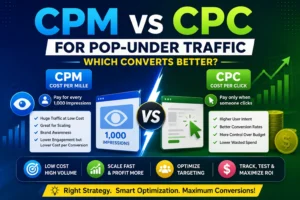
However, if your main goal is clicks or sales, other models like CPC or CPA may be more suitable.
Factors That Influence CPM
CPM is not the same for every advertiser.
Several factors affect advertising costs.
Audience Competition
Highly targeted audiences often increase CPM.
Industry Type
Some industries naturally experience higher advertising rates.
Ad Placement
Premium ad locations usually cost more.
Geography
Advertising costs vary from country to country.
Seasonal Demand
Competition during holidays and shopping seasons often pushes CPM higher.
Understanding these factors helps advertisers manage expectations and optimize spending.
Tips to Improve CPM Campaigns
Improving CPM is not always about lowering cost.
The real goal is getting better value from impressions.
Helpful strategies include:
- Designing engaging ad creatives
- Testing multiple ad versions
- Targeting relevant audiences
- Monitoring campaign performance
- Adjusting campaigns based on results
Well-optimized campaigns often deliver stronger visibility and better returns.
Conclusion
Understanding how to calculate CPM is an important skill for anyone involved in online advertising and digital marketing. While many businesses focus heavily on clicks and conversions, impressions remain the foundation of visibility and brand recognition.
CPM provides advertisers with a clear picture of how efficiently their budget is being used to reach audiences. Whether you are promoting a new product, building brand awareness, or running display and social media campaigns, CPM helps measure the cost of gaining attention in a competitive digital environment.
The biggest advantage of CPM is its simplicity. By comparing advertising spend with impressions, businesses can evaluate campaign performance, compare advertising platforms, and make smarter marketing decisions. This insight becomes especially valuable when managing multiple campaigns or planning long-term advertising strategies. By reading the article you can understand how to calculate CPM in a simple and easy with Cost Per Impression Calculator.
Frequently Asked Questions
What does CPM mean?
CPM means Cost Per Mille, or cost per 1,000 impressions.
Is CPM based on clicks?
No. CPM is based on ad impressions, not clicks.
Why do advertisers use CPM?
Advertisers use CPM to increase visibility and brand awareness.
Is CPM good for beginners?
Yes. CPM is one of the easiest advertising metrics to understand and track.
Does a low CPM always mean better performance?
Not always. Low cost matters, but audience quality and campaign goals are equally important.
Where is CPM commonly used?
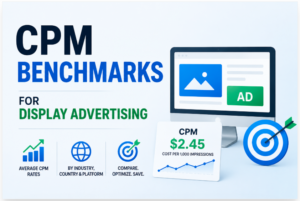
CPM is widely used in display advertising, social media marketing, and video campaigns.